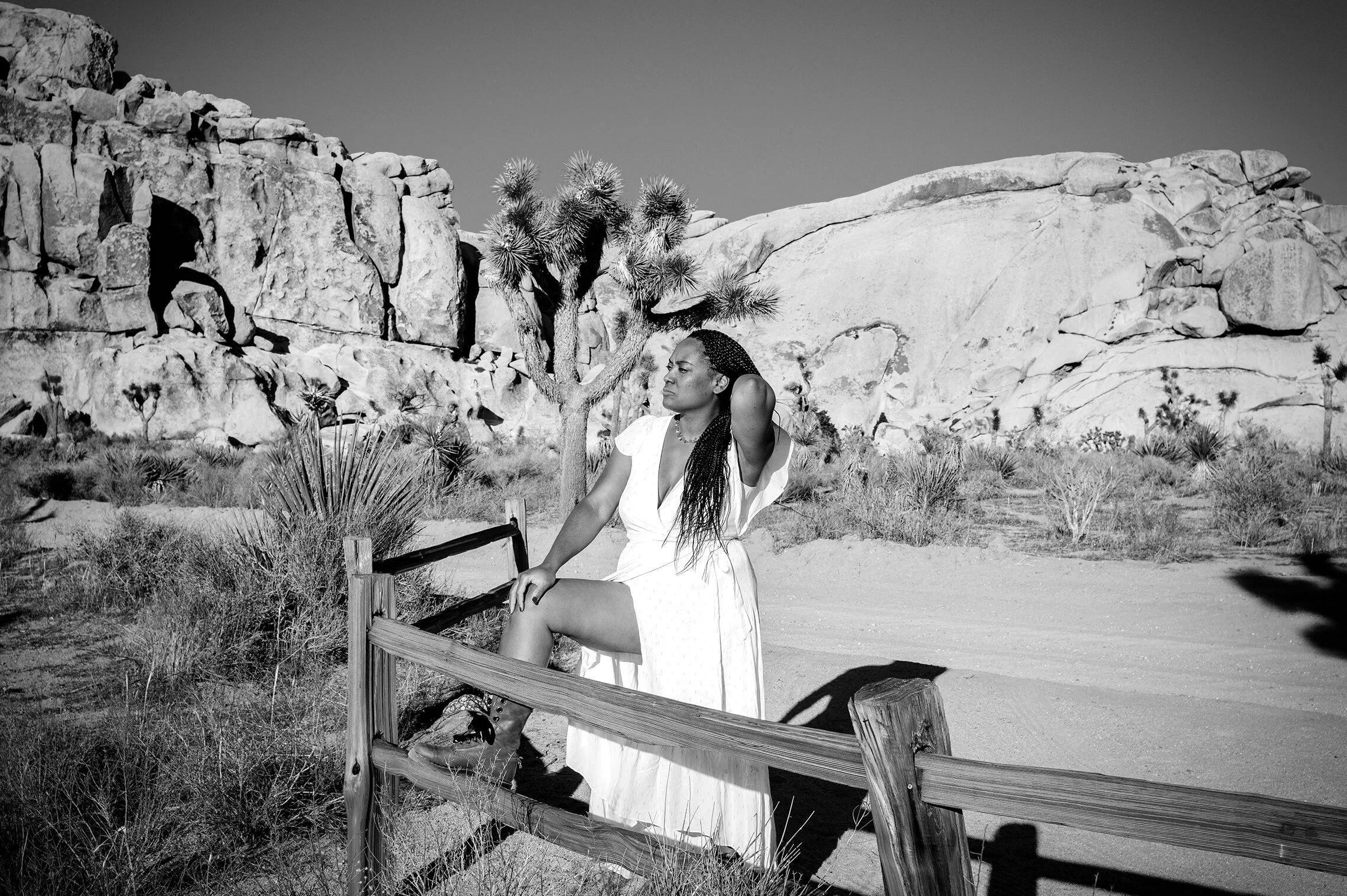
Tamarra Coleman Tamarra Coleman

feminism is a trauma response

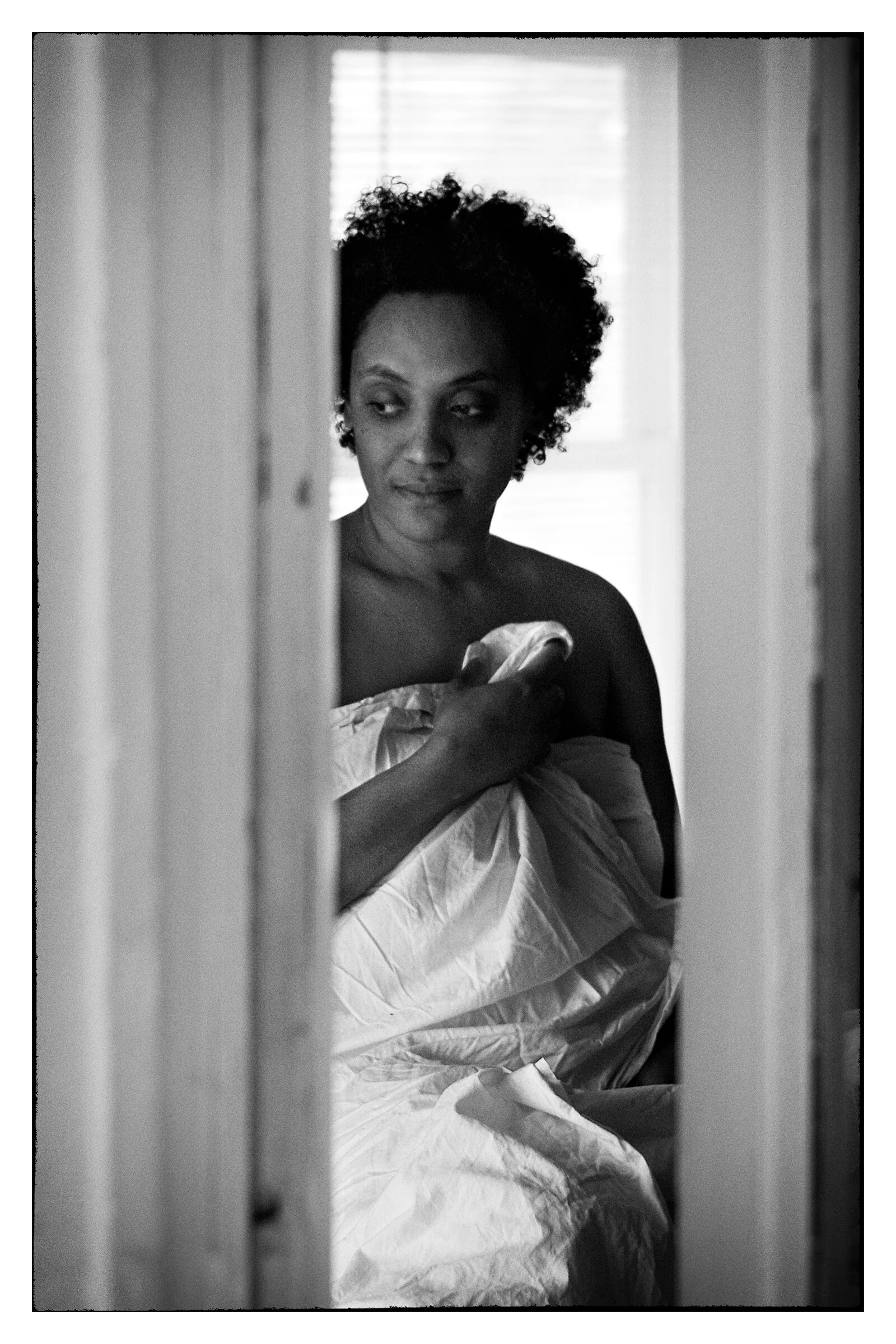
Activism is a trauma response.

The first definition of “activate” is to make reactive or more reactive. Activism is a reaction. It is a reaction that comes from a person that has had a painful experience with an issue; we can call this trauma. Our trauma informs the way we react to things, the way we respond—until we know better. I responded by becoming an activist. I am a doer. I am always activated. The most well-known and researched responses to trauma are: fight, flight, freeze and now fawn. While most of us resort to all of these in some form, we tend toward one response more than others. I am a workaholic. I am achievement driven. I am my own greatest critic, constantly telling myself to do more and do better, be more and be better. I am never enough. There is always another place to go and be, an achievement to be made. An activist has a cause, a purpose, a reason to keep going. An activist is always in flight. Our mission is to save the world. The truth is we are really trying to save ourselves—save ourselves from the trauma.

My attraction to feminism was inevitable. Feminism at its core is a response to trauma—a toxic patriarchal society. Women who identify as feminist are standing up and saying no to being left out, ignored, minimized, objectified, patronized, vilified, fetishized, sexualized, purified, and de-humanized. Our lives, as women, under siege by patriarchy, are traumatizing. We learn to live with it; we learn to cope. Most of us succumb to the power of the patriarchy and respond by fawning—people pleasing. Then there are those of us who respond by reacting. We act up and act out. We are in perpetual fight or flight mode. For many of us activists, the public trauma imposed on us by the system of patriarchy is hard, but it’s the trauma in our private lives that causes us to react. I am not afraid to act. I have been doing my whole life—mostly because I have had to. I have never felt secure in the hands of another.

That is what childhood sexual abuse does. For most of us, the ones who are closest to us who have abused us, abused our trust. We have trust issues, thus, control issues. We need to be in control. We did not have control as children, and as adults, we are looking to feel safe and secure. We fight off any perceived danger. For those of us who become activists, we fight like hell for others. We are empaths. We feel the pain of others because their stories are all too familiar. We carry your secrets and we bring them to the light. If we are honest, we recognize it is not the other who needs saving. We are saving ourselves from the trauma.

From the time I was seven years old until I was fourteen, I endured sexual trauma. Even now, I feel guilty calling it trauma. There wasn’t force, or physical pain or violence. I wasn’t threatened. It just happened, and it happened again, and again, and again for seven years. It occurs to me, as I write this, thirty-two years later, I am denying the truth. It was force; I was a child. There was pain; it lives on in my nervous system today. It was violent. My boundaries, my body, my space, my humanity was violated; that’s violence. I never gave permission. I never said yes. But I never said no, either. I was silent, and in the silence, there is shame.

Childhood sexual trauma leaves us deficient. We move through the world with blurred lines and broken boundaries. We experienced sex too soon without the pleasure and autonomy. Sex then becomes this very confusing place of both shame and desire. As adults, we often become very promiscuous or repressed and frigid. Neither of those extremes allow for a healthy adult sex life and intimate relationships. Intimacy is about trust, and it is difficult to trust when appropriate relationships were not formed in childhood. All of my adult intimate relationships were deficient or inappropriate—sometimes both.

More than any other, I have relied on the flight response. I am a workaholic. It is through work I experience wins. I am good at work. I am good at doing and creating. I am not so good at being. As a child, simply being and existing made me a target of other people’s pain. Simply being feels passive. I abhor passivity. I am an activist. Activism is either reactive or proactive. Either way, it involves action.

Being a feminist, for me, means being on constant alert. It’s the lens I use most often to see the world. My gender identity has been more of a detriment than my racial category. In some ways, I have transcended my racial category. I have learned to navigate White spaces with language. I have mastered the art of talking white. As the nice Jewish fella I met online said, “You sound Whiter than me.” My ex-husband once said to me, “You are the whitest Black girl I’ve ever met.” Transcending race, to some degree, has never been difficult for me. But my gender, my identification as a woman with a vagina, has plagued me my entire life.

My vagina has been a place of both unthinkable pain and incredible power. I learned very early that I have something that men want. But I also understood the power imbalance. I knew that if I wasn’t careful my vagina could be taken from me without my permission—again. I knew I was physically the weaker sex. To account for that, I spent my time learning. I focused on being smart. I vowed to never let a man outsmart me. I did not want to be perceived as the weaker sex. This led to the construction of a wall I built around myself. A wall of invincibility. I became the proverbial Strong Black Woman. The Strong Black Woman persona poses many problems for the sexual abuse survivor. A large part of me walks through the world with shame. I want to avert my eyes and put my head down. But the Strong Black Woman part of me silences the shame. Shame is weak. Shame is vulnerable. Shame is penetrable. The wall I have constructed is a wall of silence. I have silenced all that is weak in me. Feminist activism has allowed me to be strong, to appear strong, to feel strong. But it has diminished my humanity: the weakness, vulnerability, and penetrability.

The Strong Black Woman is a persona we create out of necessity. She is an archetype. Our experiences call for protection, and the Strong Black Woman swoops down and protects us from the abuse; it protects us from the trauma–generations of trauma inflicted on our bodies and on our spirits. She protects us when it seems no one else will. She is me. I am The Strong Black Woman. I am a feminist. I am an activist. I am a fighter. In my flawed and unreliable reality, I am alone in the world. My experiences have shaped my beliefs about others. Others are not there when I need them. As a little girl, a wife and a mother, I thought I was alone. I was not. The Strong Black Woman was there. She saved me from myself. She saved me from the trauma. I need her.

The Strong Black Woman is the quintessence of feminism, but the Strong Black Woman lives on the surface and in the moment. Like all trauma responses, she is meant to be temporary. She is the mask. Underneath, I am fragile. Like glass, I am strong, yet breakable. The assumptions made about me as a Black woman are oppressive. They keep me in a box. Strength is my constitution, but so is vulnerability. I need the world to see my vulnerability. I need you to see my vulnerability. I need you to see me as human.

Read More
Tamarra Coleman Tamarra Coleman

a sensory experience in the jungle

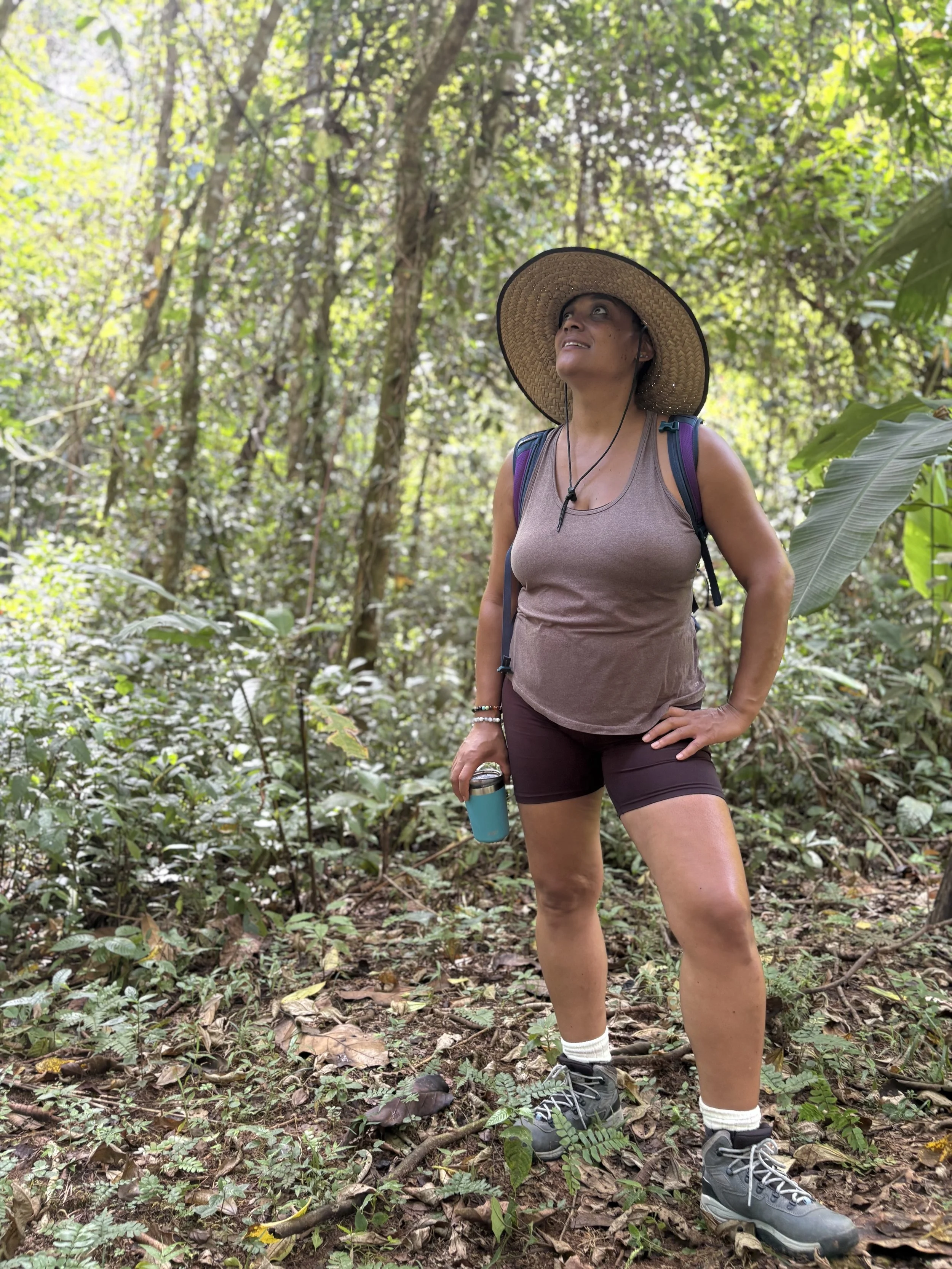
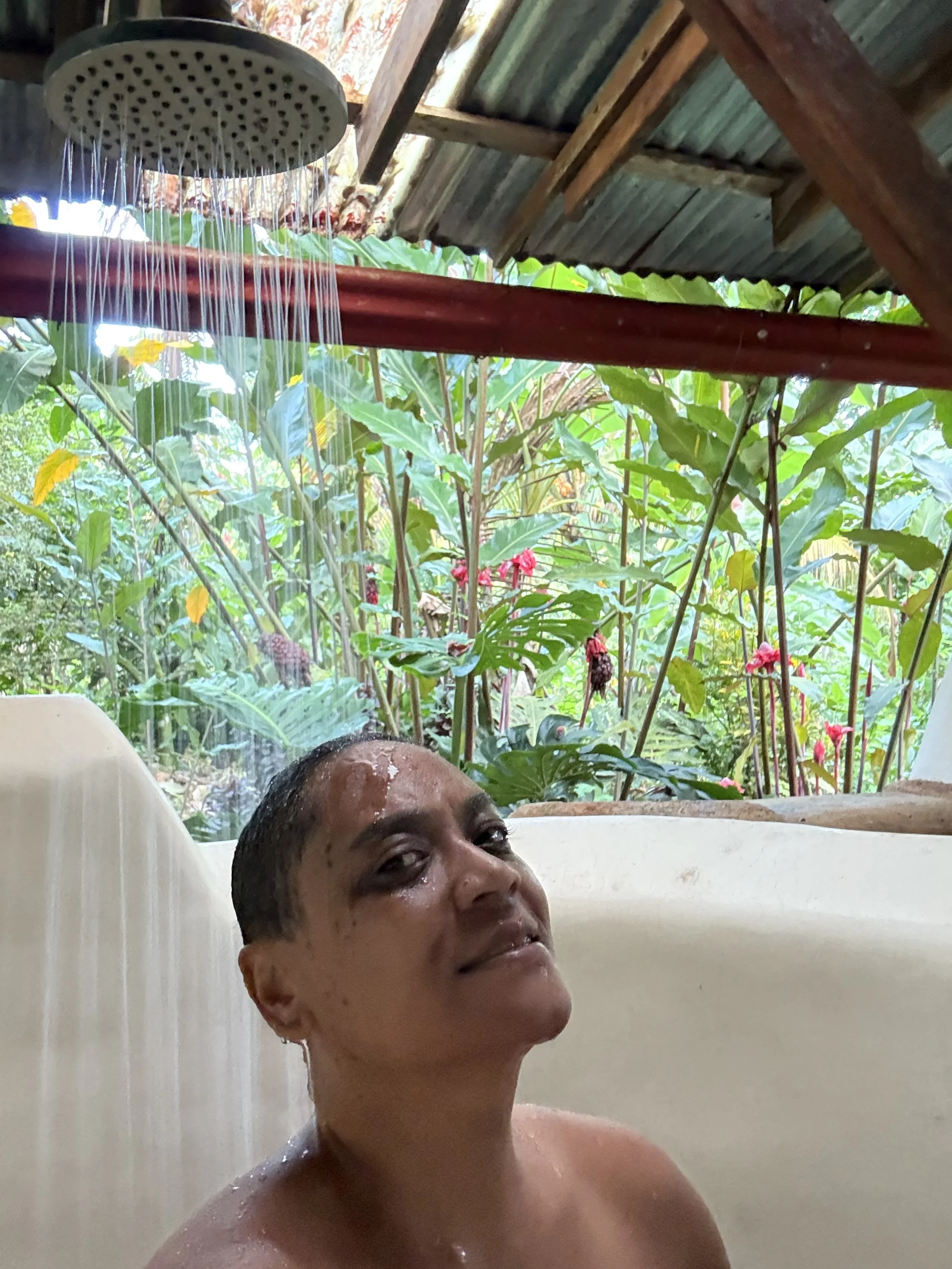
the body adjusts to the unregulated temperatures in the jungle—cold morning showers and hot humid afternoons. Nothing in between…

Taking time away. Away from the day to day. Away from the mundane. Away from the responsibilities. Away from family. Away from friends. Away from routine. Away from the roles, the constructions, the expectations, the feelings, the emotions, the habits, the familiar, the comforts, the rituals, the paths, the streets, the sounds, the community, the groceries, the treats, the dishes, the pillows, the lights, the smells, the noises, the sounds, the phone calls, the texts, the emails, the music, the washing machine and the dryer, the napkins, the soaps, the hot water, the towels, the swimming pool, the patio, the cool breezes, the dry air, the garbage truck, Uber Eats, the mirrors….

But not the sound of the motos…Motos are alive and well in the jungle. People in the jungle have to move around, too. Motos are omnipresent in Costa Rican culture. They are affordable and efficient, and the sound is as annoying in the jungle as it is in the city. But, even more in the jungle. I expected the jungle to be peaceful. It is not. There is much going on in the jungle.

The narrow winding path of gravel butts up against the grass or dirt or intricate root system exposed to the light of day and covered by fallen leaves. The branches of the many varieties of trees and plants reach into the path brushing against the body—not enough to startle you but just enough to heighten your awareness of the presence of this place. The presence of the jungle makes itself known in so many ways. The presence excites the senses.

The moisture in the air lands heavily warming the body and softening the skin. The air is thick on most days. The times when a cool breeze blows through delights. But the body knows to expect the return of the warm blanket of moist air. It is at once oppressive and comforting. The body makes friends with the humid air. It is one of the parts of the whole of the jungle. The moisture and dampness fill the nostrils. The smell of wet earth and biomass permeates alongside an occasional whiff of a fragrant plant. On some rare (or not so rare depending on where you are) occasion, the heavy musk of a group monkeys, a trio of agoutis or another jungle dwelling animal passing by floats beneath the nose reminding you that you are not alone.

The natural sounds of the jungle are the most notable, the most evident. The ears stand on high alert awaiting but never really seeing and always hearing—something. Chirpping, buzzing, howling, cawing the slow trickling of water from a nearby river or stream and if you are lucky the sound of water falling over the hills, the rocks, the mountains….The sounds differ at sunrise and sunset. The sunrise brings the not so gentle sound of the rooster on the neighboring land, our first signal that there is a day of work ahead. Then the birds gently bring us into an awareness of the morning light singing the welcome song of the day. On the other hand, as the sun sets and finds rest for the night, the sounds become more ominous as the darkness blankets the jungle creating mystery. Is it possible for one small creature to excite the night sky with its song: a secada, a cricket, and the gurgling of a frog? Each individual sound adds to the cacophony that creates a composition that fills the night. What initially kept me awake, eventually lulled me to sleep. The sounds become the lullaby which becomes the precursor of our dreams.

What do we see in the jungle? The sights of the jungle are a mix of what is actually there and what is in our minds. What stories were you told about the jungle as a small child? What books did you read that shaped your mind’s eye? Rudyard Kipling’s The Jungle Book or Joseph Conrad’s Heart of Darkness? Neither of which tell the full story of the jungle. The true story of the jungle can only be witnessed from a subjective first-person point of view. In fact, the true story of the jungle can’t be told; the jungle must be experienced. It must be tasted. The jungle ranges from the sweet sweetness of the zapote to the sour tanginess of the carambola and everything in between.

Read More
Tamarra Coleman Tamarra Coleman

I Walked through The Garden with Bare Feet ~My Psilocybin Journey

On the bank of the Chirripo River, I was preparing my mind for the journey.

My whole life I have loved having bare feet.  My feet on the ground, grass, sand, dirt gives me a sense of connection—connection to the earth. I even preferred a bare body as a toddler. My mother tells the stories of me stripping off all of my clothes, after she had bathed me and dressed me, to sit in the dirt. I liked to sit in the dirt and the sand and eat it. I even ate leaves from the trees until one of them burned my tongue. For as long as I can remember, I experienced bare feet and the earth as pleasurable, as comfortable as freeing.

When I travelled to Costa Rica for the first time in 2015, I was filled with awe and excitement and a little fear about living in this wilderness of sorts.  Everything that I learned in my research about the country had to do with the natural wonders and wild jungles and the many species of animals that camouflage themselves in the trees and grass and boundless flora.  I read about people doing expeditions, going on treacherous hikes, exploring the wildest and deepest parts of this magnificent and untamed jungle. In fact, my first visit was not as a tourist.  I didn’t land on a pristine beach with romantic resorts and cocktails with umbrellas.  I landed in the jungle. I lived on a campus with a banana plantation, a river with caimans, and a seven-mile drive to get on and off the campus.  While I stood in wonderment and excitement about this unknown wilderness, I also had fear.  The fear would not allow me to walk in the grass without a careful assessment of the ground, let alone walk in the grass with bare feet.  The times when I felt comfortable and a sense of security was when I put on my botas and walked through the farms and fields. The botas protected me from what was there or, more accurately, what was in my mind.

My mind had cultivated a minefield of fear over 49 years.  Not external fear.  No one knew that I secretly harbored deep doubt and insecurity about my ability to move through the world as a human being, as a person.  On the outside, I was confident, competent, capable and brave.  I projected who I wanted to be rather than where I really was emotionally and spiritually. I experienced a fragmented sense of self.  The ego shined brightly. The self was buried. The self was protected by the botas. My decision to explore the deepest part of myself through the ancient medicine, psilocybin, was not particularly odd, in theory, as I had been seeking, and searching for truth through talk therapy, self-help books and varying spiritual ideologies for many years.  I had been on a path. But the medicine was in direct contradiction to my need for control. In all aspects of my life, I fought for control. I needed to be in control because I was deeply afraid of falling apart. Falling apart meant revealing the weakness and insecurity and helplessness that I felt inside. Falling apart meant revealing the little girl that was hiding in the closet, hiding in the darkness of my history.

I generally thought of myself as an emotionally transparent person. I would express my feelings; I would cry when I felt like crying. But I had a gauge that turned off the tears and emotions before the flood came.  I built a strong dam around my emotions that protected me from the deluge for many years. By the time I neared year 49, the emotions began to crest. It was all about to overflow.  I knew this.  I felt this deeply in my being.  I had had enough.  As I neared the completion of my first book, a collection of personal essays on marriage, motherhood, identity and feminism, the flood gates started to open.  The weight of my history, the pack on my back, became unbearable and apparent to me. The decisions I made in a twelve-month period were in direct relation to this deep knowing. I divested from work that was emotionally taxing, I completed and self-published my book, and I took a sabbatical and left the country for four months. Not coincidentally, I returned to Costa Rica. Costa Rica for me is the wild.  It’s a place of self-exploration.  It’s where I push the boundaries and face my fears.  

For the first time in my life, I started to fall apart.  I felt safe and cared for.  I was out of control and totally safe. The woman was watching me. She saw me fall apart.  She was my witness. She knows what went down that day, the day I let the medicine lead me. She is the medicine woman. 

It was one of the most beautiful places I have ever seen.  The wild jungle and the Garden of Eden all at once. I trusted her.  I trusted him. I trusted my intuition, my inner knowing. My inner knowing led me there.  I brought my book to the ceremony. I brought my book for her–the medicine woman. I signed: “Thank you for sharing your gifts with me.” I wanted to share my gifts with her. My words. My backstory. She placed it on the altar.  I wanted her to know me, to see me.  It’s one of the only things I have ever really wanted from anyone. I wrote the book to tell the truth, my truth. This journey felt like a closing ceremony to this chapter of my life. Or, maybe it wasn’t a closing at all; it was an opening.  I put my story on paper. I gave the little girl a voice. I broke the silence.  Now it was time to get rid of the pain that had been locked inside my body and give it to mother earth.  She can handle it.  She is much bigger than me. The earth can hold my pain and grow flowers with it, grow trees, feed the streams and wildlife. I didn’t know then that my journey would be a purging of all the pain.  But it makes so much sense now.  The pieces began to come together as I began to fall apart.  

 As we sat in “noble silence,” I dared to speak.  “I don’t want to do this,” I said to her.  I spoke the same words when I went into labor with my first child.  This was big. I knew it.  Something was coming out of me, and I could not control how it happened. It was too late. I drank the medicine. The birth of something new was inevitable.  I would have to surrender my body to the experience, to the pain. I did, indeed, surrender.  As the medicine set in, I immediately felt the emotions.  They were strong, stronger than they had ever been or than I had ever allowed. The darkness and the sadness overtook me. I sat mostly without moving and staring into the mountains and feeling the darkness. The tears started flowing, and they didn’t stop for, at least, three hours. The view and the music shifted from light to dark.  The tone changed and my emotions changed. I couldn’t move from the safety of the pallet and the pillows… and the woman. When I closed my eyes and held the pillow tight, my mind swirled.  There were kaleidoscopes and circus-like visuals. There was disjointed music, noise in my head. I saw and felt a split consciousness. I felt myself as the watcher.  I watched myself fall apart.

I didn’t see people. I just felt them, intensely. When I was able to bring my body to an upright position, I felt like I was releasing the people. They had been living inside of me.   My ancestors flowed through me. I felt movement from my body outward. It was like vomiting emotions. I felt my mother and my sisters. I felt one of my girl cousins. I kept seeing and feeling my book. My book. My stories were alive in me, and they needed to be freed. I felt the spirits- bad energy move through my body.  I felt like I was purging. It was physically difficult. I felt the tension. I felt my mother and my father’s sadness and pain and history. It was all there buried in me. I was holding everyone’s pain. I was holding the history of my ancestors.

The little girl was there. She was scared and alone. When I opened my eyes each time, I saw the trees on the mountaintops, and I saw the birds flying. I wanted to be free like the birds. The colors intensified each time I opened my eyes.  I kept remembering the woman and feeling so much gratitude that she was there.  She moved to different parts of the room. Even when I couldn’t see her, I could feel her watching. I could hear her voice. I could hear her singing.  She was singing to me. Behind the disjointed circus music, I could hear her singing. Her music was loving and comforting. But the music in my head was sad and dark. I cried, and I cried, and I cried.  I cried snotty tears, and they kept falling, and I felt safe there–there on my pillows with the woman singing in the background and the birds flying over the mountaintop.  I felt safe there.  There I was safe. The little girl was safe. She was me. I was the little girl. The little girl is me. I am the little girl. 

I saw the garden. I saw the grass. I stood in the doorway staring at the garden. I saw the light, the birds, the butterflies, the trees and flowers. I saw the grass. I wanted to walk in the grass, but I was unsure. My legs were unstable. I was afraid. I was afraid something in the grass would harm me, but the sunlight calmed me. The sunlight caressed me.  The fear started to fade.  I stepped out into the grass slowly and carefully. The more I stepped, the more pleasure I felt with my feet, my bare feet in the grass. With each step, I felt freedom. I felt a release of my mother’s fears and my sister’s fears. I released my own fears. I felt the light on my face and the garden around me. The woman was in the distance, but she was there. I felt him, and I smiled. I sighed. It was a sigh of relief. It was safe to embrace the pleasure. My legs felt weak and a little uneasy, but I kept walking. I walked through the garden with bare feet.

Read More
Preston Thomas Preston Thomas

The Christmas Wish of a Middle-Aged Black Woman

Dear Santa,

This Christmas, I want a man.  I don’t need a man.  I want a man.  Santa, I don’t want any kinda man.  I want the kinda man who knows it is far greater to be wanted than to be needed. I want a man who is gentle enough to run his fingers over the soft curves of my body, yet strong enough to not flinch when he reaches the jagged edges—'cause there are jagged edges, and they cut. They cut deep. Those edges have a history; I have a history. I ain’t no blank slate.

I want a man whose interest is peaked by my history, my story, my losses, my gains.  I want a man who knows that my history and my hard edges make my soft curves all the more sweet. I want a man who understands that you cannot have one without the other. I want a man who can see me beyond my brown eyes and full breasts and deep into my soul. Santa, I want a man who will allow me to cry and completely fall apart in his arms and lay close beside him just underneath his armpit to inhale the faint musk that only a man can emit. I want to be intoxicated by his essence. But, I want this man to reciprocate.  I want him to gift me with his tears, his pain, and his deepest pleasures. I want a man who loves my vulnerability and my strength. I want a man who leaves his ego at the door and embraces his full humanity and mine.  I want a man who is not afraid to fail, a man who is contemplative, a man who lives life in shades of gray. 

I want a man who sees sex not as an end, but as the beginning of a deeper connection that merges the body with the spirit in a way that he feels my pleasure as intensely as he feels his own. A man who sees my body equally as a place of pleasure and a place of refuge but never a place that he owns. I want a man seasoned enough to appreciate the life lived on the surface of my body. Every scar, dimple, crease and gray hair deserves his respect, reverence even. I want a man who understands when he enters into my sacred space, he owes me nothing, yet everything.  Everything is wrapped up in respect. I want a man who knows when I shed the artifice and allow him to see my bare body, my nakedness, I have granted him access to a part of me that is inextricably connected to my spirit, and that spirit reaches the depth of my soul—the part of me that yearns for a deep connection beyond the body…I want a man who understands this does not mean I seek marriage.  Marriage is a social construct.  What I seek is love.  Marriage is a contract made by man that can be dissolved at any time. Love is an agreement between souls. Love is a deep respect for another—another’s strengths, weaknesses, desires, freedom, growth and purpose.

I want a man who truly loves women. Not just women’s bodies, but their soul, their spirit—the essence of a woman.

The serious look on my face--some call angry--is not because I haven’t loved; quite the contrary.  I know love very well. I have loved deeply. My love runs as deep as the Atlantic where my ancestors are buried. But in that love, I have met pain—love's first cousin. And that pain has left me weary.  Weary of giving my heart and soul to another.  Because that is how I love, this middle-aged Black woman. I love with my soul.  I give all of me—the body and the spirit.  I don’t know no middle ground.  After many years, Santa, I am ready to love again.  I have filled up many cups.  Now, I want my cup filled. I want the love to runneth over. I want to receive in every way all this man has to offer.  But, if you can’t find this man, Santa,  I don’t want a man at all.  I’ll take the rocking horse.

Read More